Printed circuit boards (PCBs) are the backbone of modern electronics, but one of the most common issues that affects their performance is pcb corrosion. If not treated on time, corrosion on pcb can lead to signal loss, short circuits and even permanent damage. In this guide, you’ll learn everything from identifying circuit board corrosion to understanding how to clean pcb corrosion safely and effectively.
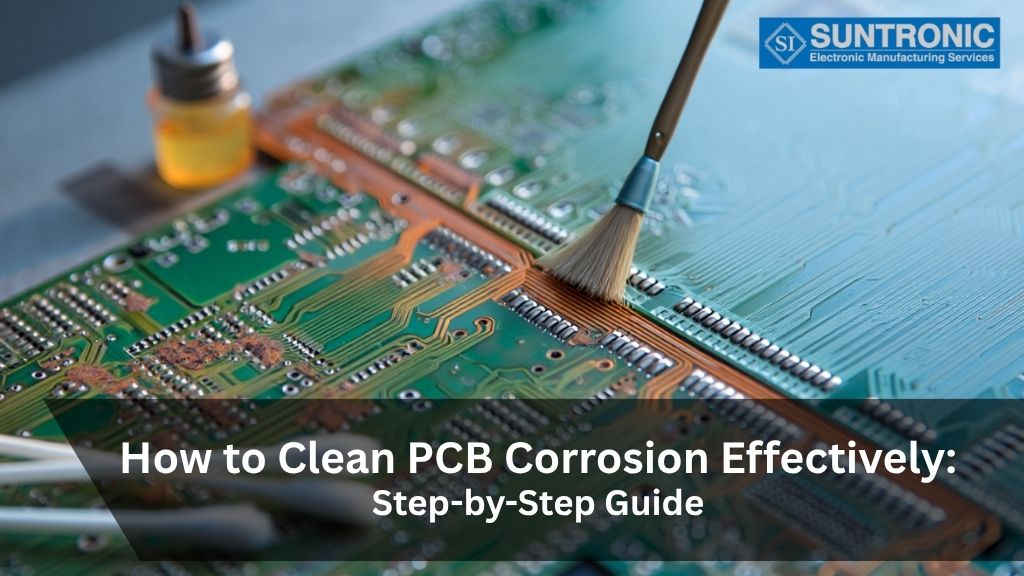
What is PCB Corrosion?
PCB corrosion is the gradual degradation of metal components on a circuit board due to chemical reactions. This typically occurs when moisture, dust or contaminants interact with the conductive materials.
When exposed to humidity or chemicals, oxidation begins, leading to visible corrosion on pcb such as green or white residue. In severe cases, circuit board corrosion can break electrical connections and stop the device from functioning.
Early detection is crucial. If you identify corrosion early, it becomes much easier to clean corrosion from circuit board surfaces and restore functionality without replacing components.
What Causes Corrosion in PCB?
There are multiple reasons why pcb corrosion occurs. Understanding these causes helps in both cleaning and prevention.
Common Causes:
- Moisture and humidity exposure
- Chemical contamination (flux residue, pollutants)
- Improper storage conditions
- Electrical leakage or voltage differences
- Dust accumulation
Signs of Corrosion:
- White or green residue
- Rust-like appearance
- Discoloration on metal parts
- Poor electrical performance
Hidden circuit board corrosion can exist beneath components, making it important to inspect thoroughly before you clean pcb corrosion.
Common Types of PCB Corrosion
Different types of corrosion on pcb require different cleaning approaches:
- Galvanic Corrosion
Occurs when two dissimilar metals on a PCB come into contact in the presence of moisture or an electrolyte. This creates a small electrical potential, causing one metal to corrode faster than the other. It often leads to weakened connections and reduced circuit reliability. - Electrolytic Corrosion
Happens due to the flow of electrical current combined with moisture contamination on the PCB surface. This process can create unwanted conductive paths, leading to short circuits, signal leakage and eventual circuit failure if not addressed early. - Oxidation
A natural chemical reaction where metal surfaces react with oxygen in the air, forming oxide layers. Over time, this buildup can reduce conductivity, affect solder joints and degrade overall PCB performance, especially in humid environments.
Understanding these helps you choose the right method to clean corrosion from circuit board safely and effectively.
Tools & Materials to Clean PCB Corrosion
Before you start learning how to clean a corroded circuit board, it’s important to use the right tools.
Essential Tools:
- Isopropyl alcohol (90% or higher)
- Soft brush or toothbrush
- Cotton swabs
- Distilled water
- Anti-static gloves
Safety Tips:
- Always power off the device
- Avoid excessive liquid usage
- Work in a clean, dry environment
Using proper tools ensures you can clean pcb corrosion without damaging delicate components.
How to Clean PCB Corrosion Effectively
Now let’s go step-by-step on how to clean pcb corrosion properly.
Step 1: Power Off and Disassemble
Ensure the device is completely turned off. Remove the PCB carefully.
Step 2: Inspect the Board
Look for visible corrosion on pcb, especially around connectors and solder joints.
Step 3: Apply Cleaning Solution
Use isopropyl alcohol to gently clean affected areas. This is one of the safest ways to clean corrosion from circuit board surfaces.
Step 4: Gently Scrub
Use a soft brush to remove residue. Be gentle to avoid damaging tracks.
Step 5: Rinse (If Needed)
Use distilled water lightly if residue persists, then dry immediately.
Step 6: Dry Completely
Allow the board to air dry or use compressed air.
Step 7: Final Inspection
Check if all circuit board corrosion is removed before reassembling.
Following these steps ensures you understand how to clean a circuit board of corrosion safely and effectively.
How to Prevent PCB Corrosion in Future
Prevention is always better than repair. After you clean pcb corrosion, follow these tips:
- Store PCBs in dry, humidity-controlled environments
- Use silica gel or desiccants
- Avoid exposure to chemicals
- Regular maintenance and inspection
- Apply protective coatings
By taking these precautions, you can significantly reduce pcb corrosion and avoid frequent cleaning.
Failure Analysis in PCB Corrosion Cleaning
Failure analysis is essential for identifying the root cause of circuit board corrosion. Simply removing residue is not enough if the source of pcb corrosion is not resolved, the problem can return and cause further damage.
Key Steps:
- Visual inspection
- Electrical testing
- Microscopic analysis
- Root cause identification
A proper analysis process helps prevent recurring corrosion on pcb and enhances overall reliability. It also ensures that when you clean corrosion from circuit board, the issue is effectively resolved and does not reappear.
How Can PCB Conformal Coating Prevent PCB Corrosion?
One of the most reliable ways to prevent pcb corrosion is by applying a conformal coating to the circuit board. This thin protective layer acts as a shield, protecting the PCB from environmental factors that typically cause corrosion on pcb.
Benefits:
- Protects against moisture and humidity
- Prevents dust and chemical contamination
- Enhances durability in harsh environments
By creating a barrier over sensitive components, conformal coating helps minimize circuit board corrosion and reduces the need to frequently clean pcb corrosion or clean corrosion from circuit board surfaces. Professional PCB Conformal Coating Services not only enhance protection but also extend the overall lifespan and reliability of electronic devices.
PCB Corrosion Cleaning Methods Comparison
Cleaning Method | Effectiveness | Safety Level | Best Use Case |
Isopropyl Alcohol | High | Safe | General pcb corrosion cleaning |
Distilled Water | Medium | Safe | Light residue removal |
Vinegar Solution | Medium | Moderate | Removing oxidation |
Baking Soda Paste | Medium | Moderate | Neutralizing acidic corrosion |
Commercial PCB Cleaners | High | High | Industrial applications |
This table helps you choose the best method based on your needs when deciding how to clean a corroded circuit board.
Conclusion
Dealing with pcb corrosion doesn’t have to be complicated if you follow the right steps. Whether you are trying to clean corrosion from circuit board surfaces or learning how to clean a circuit board of corrosion, the key is to act early and use proper techniques.
Regular maintenance, proper storage and protective coatings can prevent corrosion on pcb and ensure long-term performance. By understanding the causes and applying the right cleaning methods, you can effectively manage circuit board corrosion and keep your electronics running smoothly.
If you frequently deal with corrosion issues, investing in professional solutions like conformal coating can save time, cost and effort in the long run.

David Ly
David Ly is the Chief Operating Officer (COO) at Suntronic Incorporated, a prominent electronics manufacturing services (EMS) provider headquartered in Richardson, Texas. He leads the company's daily operations, strategic business objectives, and technology-driven product development.